
Keys In Designing Engine Exhaust Removal Systems
The Value of Engine Exhaust Removal Systems
In automotive service centers, vehicle repair facilities, and maintenance centers, the removal of engine exhaust is a critical aspect of operations. Engine exhaust contains harmful pollutants such as carbon monoxide, nitrogen oxides, and hydrocarbons, which can pose serious health risks to employees if not properly managed. A well-designed exhaust removal system helps in mitigating these risks, ensuring a safer work environment.
Beyond safety, an efficient exhaust removal system can also contribute to operational efficiency. By effectively removing exhaust fumes, these systems help maintain a clean and comfortable workspace, which can enhance productivity and employee morale.
Additionally, reducing the concentration of harmful emissions can minimize the wear and tear on other equipment, potentially lowering maintenance and replacement costs.
Key Components of an Effective Exhaust Removal System
An effective exhaust removal system is composed of several key components, each playing a vital role in ensuring optimal performance.
The primary components include:
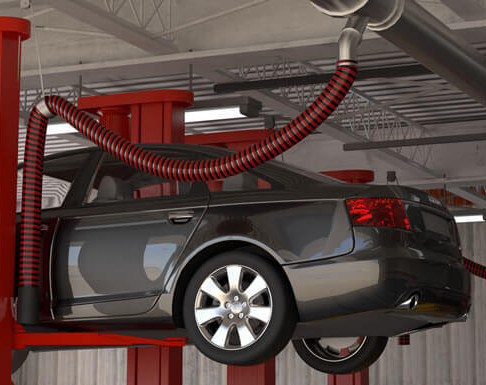
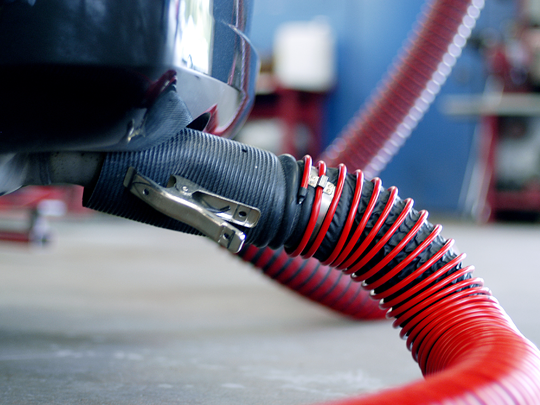
Exhaust hoses, which must be durable and resistant to high temperatures and chemicals. Properly sized and positioned hoses ensure that exhaust fumes are captured directly at the source, preventing their spread throughout the facility.
Exhaust fan or blower, which provides the necessary airflow to transport the fumes out of the building.
Pullies, flexible hose reels, or telescoping arms, allowing for easy maneuverability and adaptability to different vehicle sizes and configurations.
Ducting System, for routing multiple exhaust lines and optimizing the working environment for both speed and safety.
Safety and Health Considerations in Exhaust System Design
Proper ventilation is crucial to prevent the accumulation of toxic gases, which can lead to serious health issues such as respiratory problems, headaches, and dizziness. Ensuring that the exhaust removal system is compliant with occupational safety and health regulations is essential to protect both employees and the business from legal liabilities.
Furthermore, the system should be designed to minimize noise levels, as excessive noise can contribute to hearing loss and stress among workers. Incorporating user-friendly systems and controls can ensure operators optimize performance and avoid issues with system use or damage due to improper storage. Providing adequate training for staff on the proper use and maintenance of the exhaust removal system is vital to ensuring its effectiveness and longevity.
Cost-Effective Solutions for Exhaust Removal Systems
While the initial investment in a high-quality exhaust removal system can be significant, there are cost-effective solutions that can help manage expenses. One approach is to invest in modular systems that can be expanded or reconfigured as needed. This allows facilities to start with a basic setup and gradually enhance their capabilities over time.
Regular maintenance and timely replacement of worn parts can prevent costly breakdowns and ensure the system continues to operate efficiently. Additionally, seeking out systems with warranties and robust customer support can provide long-term savings by ensuring reliable performance and minimizing downtime.
You may also like:
• Choosing the Right Exhaust Hose
• Choosing the Right Nozzle for Vehicle Exhaust Removal
• Selecting Vehicle Exhaust Ducting
